
When someone searches "Stavros net worth," they could mean at least three very different people, with fortunes ranging from the hundreds of millions to the tens of billions. The most historically prominent is Stavros Spyros Niarchos, the Greek shipping magnate whose fortune was blank" rel="noopener noreferrer">estimated at roughly $12 billion at the time of his death in 1996. His grandson, Stavros Niarchos III, is the modern heir most likely to appear on contemporary net-worth databases, with estimates clustering around $100 million to $120 million. Then there is Stavros Papastavrou, a Greek businessman turned politician who has been active in high-value bank acquisitions and serves as a minister in the Mitsotakis government. Identifying which Stavros you mean is the first and most important step.
Stavros Net Worth: Identify the Right Stavros and Estimate

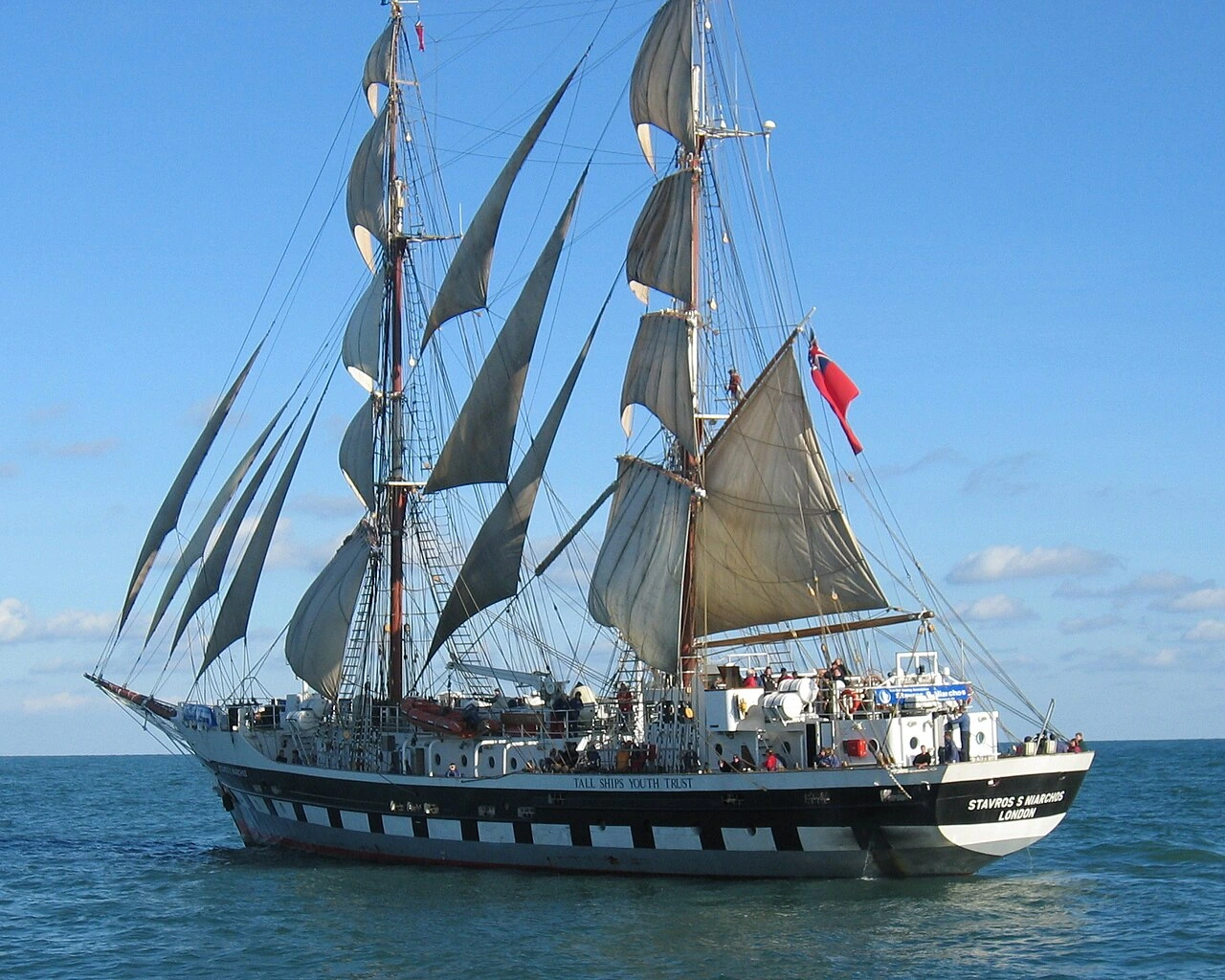
Which Stavros are you actually looking for?
The name Stavros is common enough in Greek culture that a simple one-word search will pull up results for multiple public figures. Here is a quick disambiguation guide to narrow it down.
| Full Name | Known For | Estimated Net Worth Range | Active Period |
|---|---|---|---|
| Stavros Spyros Niarchos | Greek shipping magnate, Niarchos Group founder | ~$12 billion (at death, 1996) | 1940s–1996 |
| Stavros Niarchos III | Heir to Niarchos shipping fortune, kiteboarding | ~$100M–$120M (contemporary estimates) | 2000s–present |
| Stavros Papastavrou | Greek businessman, politician, bank acquisitions | Undisclosed / estimated mid-range | 2000s–present |
| Stavros Halkias | Greek-American comedian and podcaster | Publicly estimated, entertainment-based | 2010s–present |
If you stumbled on this page while researching Greek shipping dynasties, Stavros Niarchos (the elder) is almost certainly your subject. If you saw the name in a celebrity or lifestyle context, Stavros Niarchos III is the more likely match. If you came across the name in Greek political or banking news, Papastavrou is your man. The rest of this article covers all three where data exists, with special focus on the Niarchos line since that is where the most documented wealth lives.
What "net worth" actually means, and why the numbers never quite agree
Net worth is total assets minus total liabilities. Simple in theory, genuinely difficult in practice for private individuals. For Greek shipping or business dynasties, most wealth is held in privately held companies, offshore holding structures, real estate, and investment portfolios, none of which require public disclosure at the individual level. What you see on net-worth databases is almost always an estimate built from observable signals rather than a verified balance sheet.
The discrepancy between sources is normal and expected. One site might value the Niarchos Group's fleet at a particular tonnage rate; another might use a different shipping market index. One might include art collections (the Niarchos Collection is world-class and genuinely valuable) while another ignores illiquid assets entirely. Currency fluctuations, debt levels, and timing of the estimate all shift the number. When you see a range rather than a single figure, that is actually the more honest presentation.
How we estimate net worth for Greek public figures
For figures in the Greek celebrity, athlete, and business database, the estimation methodology follows a layered approach. You start with whatever is publicly documented, then triangulate with market data and observable lifestyle or transaction signals.
- Career earnings: For athletes and entertainers, known contract values, prize money, and appearance fees form the baseline.
- Business ownership stakes: For shipping magnates and business leaders, fleet valuations, company revenues, and known equity stakes are the core inputs.
- Major deals and transactions: Press-reported acquisitions, asset sales, and investment rounds give floor-level asset-scale data. Stavros Papastavrou's reported $89.8 million acquisition of a US bank, for instance, signals a wealth base well into the hundreds of millions.
- Real estate holdings: Greek public figures often hold properties in Athens, the islands, London, and Monaco. Property registry data and press reports provide rough valuations.
- Sponsorships and endorsements: Relevant for athletes and social-figure heirs like Stavros Niarchos III.
- Dividends and investment income: For figures connected to active family businesses, dividend history from related public companies can provide signals.
- Public financial disclosures: Greece's "πόθεν έσχες" (asset declaration) system requires politicians and senior public servants to file annual declarations. Under Law 5026/2023, a new digital platform has been introduced for these filings, making declarations more accessible than before, though publication timelines after audit still introduce some lag.
For purely private figures with no public-company ties and no disclosure obligations, the estimate is inherently less precise. In those cases, the methodology shifts toward peer benchmarking: comparing the figure's known business activity and lifestyle to peers with more documented wealth, then applying a range rather than a point estimate.
The net worth range and what drives it

Stavros Niarchos (the elder)
Stavros Spyros Niarchos is consistently cited at approximately $12 billion at the time of his death in 1996, which would translate to considerably more in 2026 dollars when adjusted for inflation. He built his fortune through the Niarchos Group, one of the largest private shipping enterprises in history, along with oil trading, real estate, and a legendary art collection. His rivalry with Aristotle Onassis is one of the defining business narratives of 20th-century Greek commerce. The $12 billion figure comes primarily from obituary reporting and retrospective analyses, which are less precise than living-subject estimates but are the best available for a figure who was thoroughly private about his finances.
Stavros Niarchos III

Stavros Niarchos III, the grandson and contemporary heir, appears regularly on celebrity net-worth sites with figures in the $100 million to $120 million range. This framing reflects what estimators call an "heir slice": an individual's presumed share of a multigenerational family fortune, rather than assets he has independently accumulated. Because the Niarchos family wealth has been distributed across multiple heirs and held in trusts and foundations (including the Stavros Niarchos Foundation, one of the largest private foundations in Greece), attributing a precise individual figure is genuinely difficult. The $100M–$120M range is plausible but should be understood as a model output, not a verified figure.
Stavros Papastavrou
Papastavrou's wealth is harder to pin down because he has not been the subject of systematic net-worth reporting in the same way the Niarchos family has. His reported $89.8 million US bank acquisition, combined with his prior ownership of Omonia Nicosia football club and broader business activities, suggests a personal fortune likely in the $200 million to $500 million range, though this is a wide band built from transaction signals rather than confirmed data. Cyprus Mail (May 30, 2018) reports that Omonia was taken over by a private company managed by Stavros Papastavrou Omonia Nicosia football club. As a serving minister, his annual "πόθεν έσχες" declaration is a matter of public record and represents the most accessible verified anchor point for his declared assets.
Wealth breakdown by industry
The income and asset structure varies significantly depending on which domain your Stavros operates in. Greek public figures in this database generally fall into three wealth archetypes.
Shipping and business (Niarchos model)

- Fleet valuations: The value of owned or operated vessels, priced against current dry bulk or tanker indices.
- Cargo contracts and freight income: Long-term charter agreements provide relatively predictable cash flows.
- Real estate and trophy assets: Prime Athens, London, and island properties, plus art collections.
- Foundation and trust structures: Portions of family wealth held in philanthropic vehicles like the Stavros Niarchos Foundation, which are not personal net worth but reflect the scale of the originating fortune.
- Investment portfolios: Diversified holdings in equities, private equity, and other asset classes typical of multigenerational wealth.
Business and banking (Papastavrou model)
- Direct company ownership: Equity stakes in private operating businesses.
- Acquisition activity: Buying and managing banks, sports clubs, and other enterprises.
- Declared asset values: Real estate, cash, and securities as filed in official Greek asset declarations.
- Political salary: Modest relative to business income, but a disclosed and verifiable component.
Entertainment and social figures (Niarchos III model)
- Inherited trust income: Distributions from family trusts or foundations.
- Brand partnerships and sponsorships: For heirs with public profiles, endorsement deals in fashion, sports, and lifestyle.
- Personal investment activity: Venture investments in startups or real estate, often in New York or Los Angeles.
- Media and appearance income: For those with social media presence or event-circuit visibility.
If you are researching Greek business figures more broadly, it is worth noting that the diaspora pattern is consistent: the largest fortunes are almost always tied to shipping, construction, or banking, with the entertainment and sports figures sitting at a much lower wealth tier. Andros Stakis, for example, built his fortune in hospitality rather than shipping, showing that the diaspora wealth map has meaningful sector variation even among Greek-origin billionaires.
Why the number changes over time
Net worth is not a static figure, and for Greek public figures it can shift meaningfully from year to year. The key signals worth monitoring are below.
- Shipping market cycles: Tanker and dry bulk freight rates are notoriously cyclical. A major shipping fortune can gain or lose hundreds of millions in a single year based on market conditions.
- New contracts or acquisitions: A press-reported acquisition (like Papastavrou's bank deal) immediately signals an asset base large enough to support that transaction, raising the floor on net-worth estimates.
- Asset sales: Sales of real estate, fleet vessels, or business stakes can reduce the asset side of the ledger but also generate liquid capital that may or may not be reinvested visibly.
- Legal disputes and lawsuits: Litigation involving estate claims, business disputes, or regulatory action can freeze or reduce accessible assets.
- Foundation and charitable activity: Large donations to entities like the Stavros Niarchos Foundation represent genuine transfers out of personal wealth, even if they signal overall wealth scale.
- Updated asset declarations: For politicians and public servants, new "πόθεν έσχες" filings published after audit can update the declared baseline.
For heirs specifically, estate settlements and trust distributions are the biggest variable. When a family patriarch dies, the subsequent redistribution of assets among heirs can dramatically change any individual's net-worth profile within a few years. This is precisely why Stavros Niarchos III's estimated figure is so much smaller than his grandfather's legacy fortune: the wealth has been distributed across family members, foundations, and trusts over decades.
How to verify and refine the estimate today

If you need a more precise or current figure than what any database provides, here is a practical sequence to follow.
- Check the Greek asset declaration portal: For any figure who holds or has held public office, the "πόθεν έσχες" digital platform (updated under Law 5026/2023) is the most authoritative source for declared assets. Go to the GSIS (General Secretariat of Information Systems) portal and search by name.
- Search Greek-language financial press: Kathimerini, Capital.gr, and Naftemporiki regularly cover major deals, company filings, and wealth-related news for prominent Greek business figures. A Greek-language search will surface material that English-only databases miss entirely.
- Check company registries: For figures with known business ownership, the Greek General Commercial Registry (GEMI) lists company filings, shareholder structures, and sometimes balance sheet data for incorporated entities.
- Cross-reference multiple net-worth databases: Use sites like Celebrity Net Worth, The Richest, and Forbes (where applicable) not to take any one number as gospel but to establish a plausible range. If three independent sources cluster around the same figure, that convergence is meaningful.
- Look for recent press coverage of transactions: Any publicly reported acquisition, sale, or investment over the past 12 months is your best real-time signal. Set a Google News alert for the figure's name combined with terms like acquisition, investment, or deal.
- Sanity-check against known transactions: If a reported net-worth figure seems implausible, test it against known transactions. A person who just bought an $89.8 million bank cannot credibly have a net worth of $50 million. Use transactions as floor-level anchors.
- Factor in the philanthropy offset: For figures connected to major foundations, remember that substantial wealth has already been transferred out of personal holdings. The Stavros Niarchos Foundation holds billions in assets; those are not part of any living heir's personal net worth.
It is also worth comparing your subject against peers in the same sector. Andros Georgiou is another example of a Greek diaspora figure where cross-referencing career milestones with reported estimates produces a more credible range than any single database number. The same triangulation logic applies regardless of whether you are researching a shipping heir, a politician, or an entertainer.
The bottom line: "Stavros net worth" most likely refers to either Stavros Niarchos (the elder, ~$12 billion historical estimate) or Stavros Niarchos III (~$100M–$120M contemporary estimate), with Stavros Papastavrou as a plausible third candidate if your search came from a political or business news context. If you meant Stavros Merjos specifically, the net worth figure will depend on how his assets, investments, and any reported holdings are valued and updated Stavros net worth. Treat any single published figure as the midpoint of a range, use the verification steps above to update it with current data, and always anchor your estimate to at least one documented transaction or disclosure rather than relying on a database figure alone.
FAQ
How can I tell which “Stavros” a net-worth site is actually referring to in its estimate?
Check whether the bio details match the domain, for example shipping references to Niarchos Group and the Niarchos Collection, celebrity references to heir style wealth, or politics references to minister roles and specific disclosures. Also look for dates, family-member names, and the language used for the “source of wealth,” those clues usually reveal which individual was modeled.
When a site gives a single number, should I trust it more than a range?
Not usually. For private individuals and families with trusts or foundations, single numbers are often a shortcut, while ranges better reflect uncertainty in illiquid holdings and offshore structures. If a figure is presented as fixed, confirm what it includes, for example whether art, private company equity, or debt is modeled.
Does “net worth” on these databases include debts and leverage?
Often partially, sometimes not at the individual level. For shipping and holding structures, liabilities may be carried by specific companies rather than attributed to the person, so your subject’s personal “net worth” estimate might be understated or overstated depending on the estimator’s allocation rules.
Why does Papastavrou’s estimate vary so widely across sources?
Because there is less systematic personal net-worth reporting and the available anchors are transaction-based signals. Estimators may treat the bank acquisition price differently from ongoing business value, and they may use different assumptions about ownership percentage, leverage, and the value of non-public holdings.
How should I account for inflation and currency when comparing the elder Niarchos figure to today’s estimates?
You should adjust for both inflation and exchange-rate changes if the database uses different currencies or base years. A number like the elder Niarchos estimate from 1996 is not directly comparable to contemporary estimates unless you normalize the time period and currency assumptions.
What’s an “heir slice,” and why does it make contemporary estimates smaller than historical wealth?
An heir slice is a modeled share of a multigenerational fortune, not a direct valuation of independently earned assets. Distribution across siblings, trusts, and foundations reduces the portion attributed to one person, so the modeled net worth can look dramatically smaller even if the family’s underlying assets remain large.
If I want the most defensible figure, what is the best verification order?
Start with the most direct disclosure, for Papastavrou this means the annual “πόθεν έσχες” declared assets. Next, use concrete transactions with dates and ownership stakes (acquisitions, major sales). Then triangulate with sector benchmarks and observable signals, and finally treat any database number as a secondary estimate to update, not a primary truth source.
Can net worth estimates be “stale,” and how can I tell?
Yes, especially when the estimate is not labeled with an update date. If the figure ignores recent known events like a new acquisition, a sale, or a ministerial change in assets, it may reflect an earlier model. Look for methodology notes or update timelines, and recheck the disclosure documents when available.
How do trusts and foundations affect what you can and cannot estimate from public data?
They complicate attribution. Assets may be controlled at the foundation or trust level, with beneficiaries receiving distributions over time, not direct ownership. As a result, two databases can assign the same underlying assets differently, leading to meaningful discrepancies for heirs.
Is lifestyle triangulation a reliable method for estimating private fortunes?
It can help narrow the range, but it is often the weakest signal. Wealthy individuals can have lower personal spending due to corporate or trust-paid expenses, and some lifestyle coverage is biased toward high-visibility events rather than total consumption. Use it as a sanity check, not the main valuation driver.
Andros Stakis Net Worth: Estimate, Sources, and How to Verify
Estimates of Andros Stakis net worth, how calculated, sources, likely range, and steps to verify ownership and filings